August 4, 2026
Choosing the right roofing material is one of the most significant decisions a homeowner can make. Your roof protects your family, defines your home's exterior aesthetic, and impacts your long-term energy bills. Among the most popular options available on the market today are traditional asphalt shingles and modern metal roofing. Both materials offer distinct advantages and drawbacks regarding durability, upfront and long-term costs, architectural compatibility, energy efficiency, and environmental sustainability.
Whether you are building a new custom home or replacing an aging roof, understanding how these two materials compare across various categories will help you make an informed investment. To ensure a seamless installation, many property owners partner with a qualified local roofing company to evaluate structural integrity and local climate demands. According to RubyHome, asphalt shingles are the most frequently used roofing material, used in about 80% of roofing projects. However, the rising popularity of metal roofs presents a compelling alternative for homeowners seeking longevity and low maintenance.
Durability, Longevity, and Weather Resistance
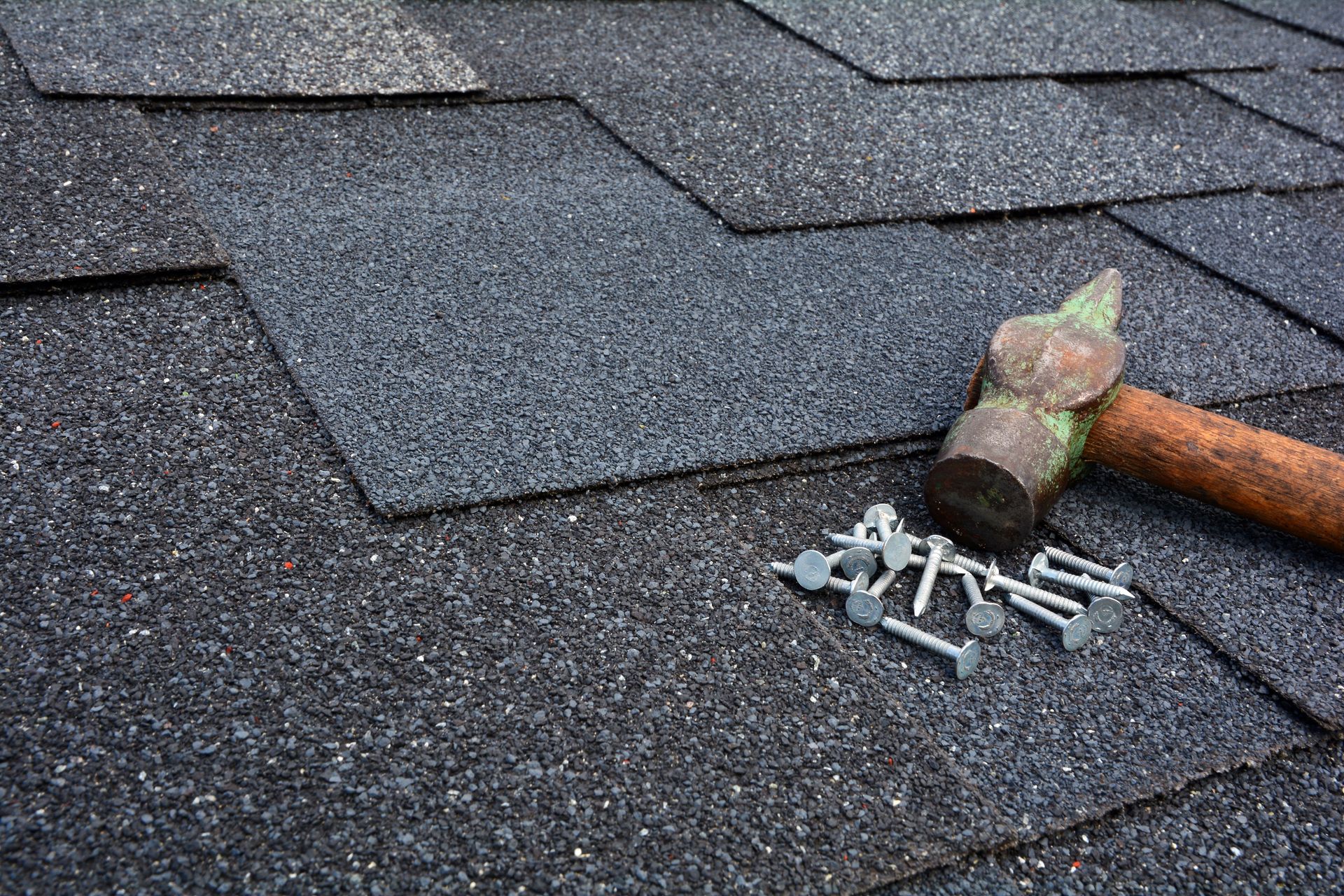
When investing in a roof, longevity is a primary concern. In our experience, asphalt shingles are renowned for their affordability and ease of installation, typically offering a lifespan of 20 to 30 years depending on local climate conditions and regular maintenance. While they handle moderate weather well, asphalt shingles can struggle against severe storms, high winds, and heavy ice dams. They are also susceptible to moss buildup, granule loss, and curling as they age.
In contrast, metal roofing is celebrated for exceptional longevity, with high-quality aluminum, steel, or copper systems lasting 50 years or more. Metal roofs provide superior resistance to extreme weather, effectively withstanding high wind uplift and heavy snow loads without cracking or shattering. Furthermore, metal is inherently fire-resistant, offering enhanced protection in wildfire-prone regions.
While asphalt shingle repairs are generally straightforward and inexpensive, metal roofs require far fewer repairs over their lifetime, making them an attractive long-term solution despite higher initial costs.
Cost, Economic Impact, and Long-Term Value
Financial considerations often dictate the initial choice between roofing materials. Asphalt shingles are significantly more affordable upfront, making them the go-to choice for budget-conscious homeowners. Their lower initial price point accounts for their widespread market dominance.
However, evaluating cost requires looking beyond the initial installation invoice. Because metal roofs last twice as long as asphalt shingles, homeowners avoid the expense and disruption of a premature roof replacement. Additionally, metal roofing's high solar reflectance can lower summer air conditioning bills, providing ongoing energy savings that offset the higher initial investment.
Both materials can positively influence home resale value. Asphalt shingles maintain stable, predictable resale values due to their universal aesthetic appeal. Metal roofing, however, can command a higher market premium, particularly when marketed to energy-conscious buyers seeking long-term durability. Depending on your insurance provider, a fire-resistant metal roof may even qualify you for valuable discounts on your annual homeowners insurance policy.
Aesthetic Appeal and Architectural Versatility
Your roof plays a massive role in your home's curb appeal. Asphalt shingles offer incredible versatility in style and color, ranging from standard three-tab designs to architectural shingles that mimic the rich look of slate or wood shakes. This diverse design adaptability allows asphalt shingles to complement almost any traditional or suburban architectural style seamlessly.
Metal roofing has also evolved far beyond the industrial corrugated panels of the past. Today, metal roofs are available in sleek standing-seam profiles or stamped panels designed to replicate traditional shingles, tiles, or shakes. Available in vibrant colors and specialized matte finishes, metal roofs can elevate modern, contemporary, and rustic home designs alike.
While asphalt shingles tend to fade and lose mineral granules over time, high-quality metal roofs retain their color and structural appearance for decades with minimal degradation, preserving your home's curb appeal much longer.
Energy Efficiency and Environmental Sustainability
Energy efficiency and eco-friendliness are increasingly critical factors for modern homeowners. Traditional dark asphalt shingles tend to absorb solar heat, which can increase indoor cooling loads during hot summer months, though modern cool-roof shingle coatings have improved thermal performance.
Metal roofs excel in energy efficiency due to their natural reflective properties. Instead of absorbing solar radiation, metal reflects sunlight away from the structure, significantly reducing attic temperatures and cooling costs in warmer climates. Furthermore, metal roofing systems are exceptionally eco-friendly. They are frequently manufactured from recycled materials and are 100% recyclable at the end of their multi-decade lifespan.
Asphalt shingles, being petroleum-based products, contribute heavily to landfill waste upon replacement, as recycling facilities for old shingles remain limited in many regions. For homeowners striving to minimize their ecological footprint, metal roofing represents the more sustainable choice.
Installation Complexity and Structural Requirements
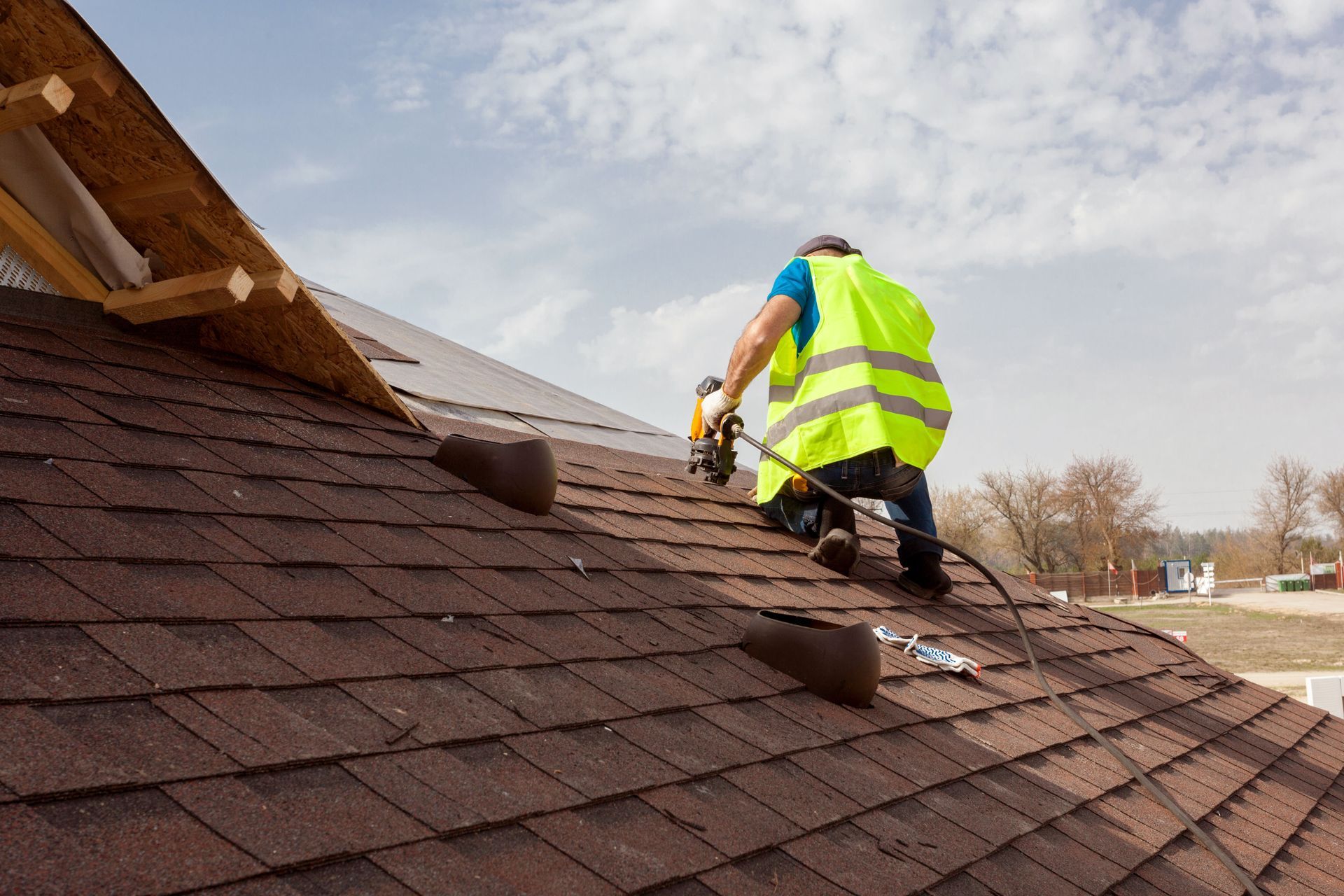
The installation process differs drastically between these two materials and directly impacts labor costs. Asphalt shingles are relatively lightweight and straightforward to install, making them a feasible project for experienced contractors and a popular choice for quick turnaround times.
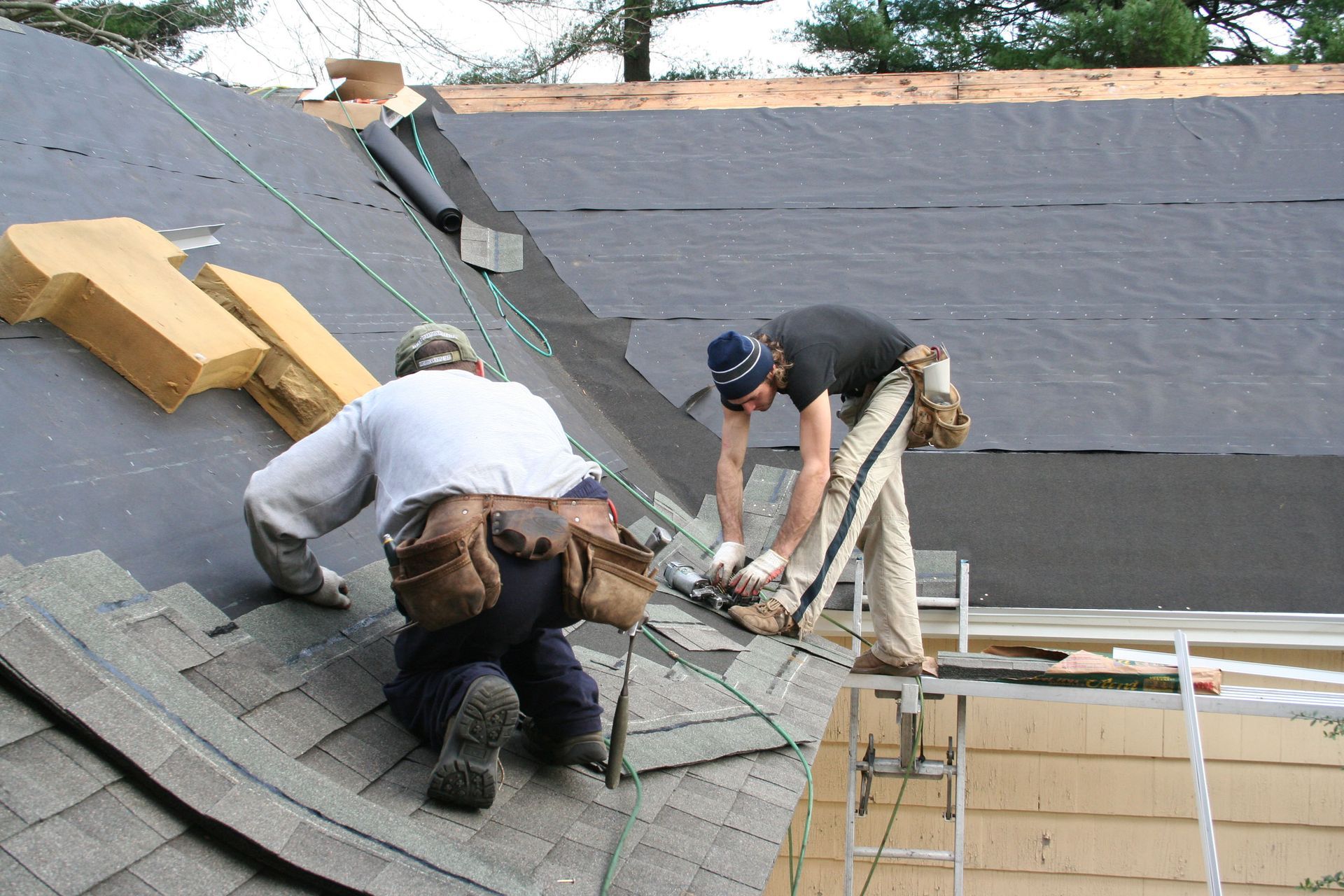
Metal roofing installation, particularly for standing-seam systems, requires specialized tools, precise measurements, and expert craftsmanship. Improper installation can lead to panel buckling, water leaks during wind-driven rains, or thermal expansion failures. Therefore, hiring a certified local roofing company is essential when installing metal to ensure manufacturer warranties remain valid.
Additionally, roof framing must be considered. Asphalt shingles are lightweight and rarely require structural reinforcement. Metal roofing can sometimes be heavier depending on the gauge and style, occasionally necessitating structural evaluations, though aluminum and lightweight steel options often weigh less than traditional tile or heavy architectural shingles.
Maintenance Routines, Storm Damage, and Warranty Coverage
Maintaining your roof's integrity over its lifespan requires regular inspection and proactive care, regardless of the material you choose. Asphalt shingle roofs require frequent monitoring after severe weather to identify missing, cracked, or wind-damaged shingles. Granule loss in gutters is a common sign of shingle degradation that necessitates prompt repairs by a professional roofing company to prevent moisture infiltration and wood rot.
Metal roofing, while substantially more durable against heavy hail and high winds, requires periodic checks of fasteners, sealant joints, and flashing around chimneys or vent pipes. Thermal expansion can occasionally loosen panel fasteners over several seasons, making routine inspections from an experienced roofing company vital to ensuring a watertight seal.
Warranty protection also differs significantly between these two materials. Standard asphalt shingle warranties typically offer 15 to 30 years of coverage, often scaled down over time due to natural wear. In contrast, premium metal roofing systems frequently feature 30- to 50-year non-prorated manufacturer warranties covering paint fading, chalking, and panel integrity. Reviewing warranty terms closely helps guarantee that your financial investment remains fully protected against unexpected storm damage or material defects.
Deciding between asphalt shingles and metal roofing ultimately depends on your budget, aesthetic preferences, long-term housing plans, and local climate. Asphalt shingles offer unbeatable initial affordability, easy repairs, and a traditional look that suits most neighborhoods. Metal roofing delivers unmatched durability, exceptional weather resistance, superior energy efficiency, and a lifespan that can outlast decades of storms. If you need professional guidance tailored to your specific property, consult with an experienced local roofing company to evaluate your options. When you are ready to protect your home with durable materials and expert craftsmanship, trust that the reliable professionals at Nadales Roofing will handle your installation safely, efficiently, and to the highest industry standards.